1. What is coin acceptor?
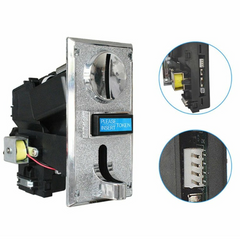
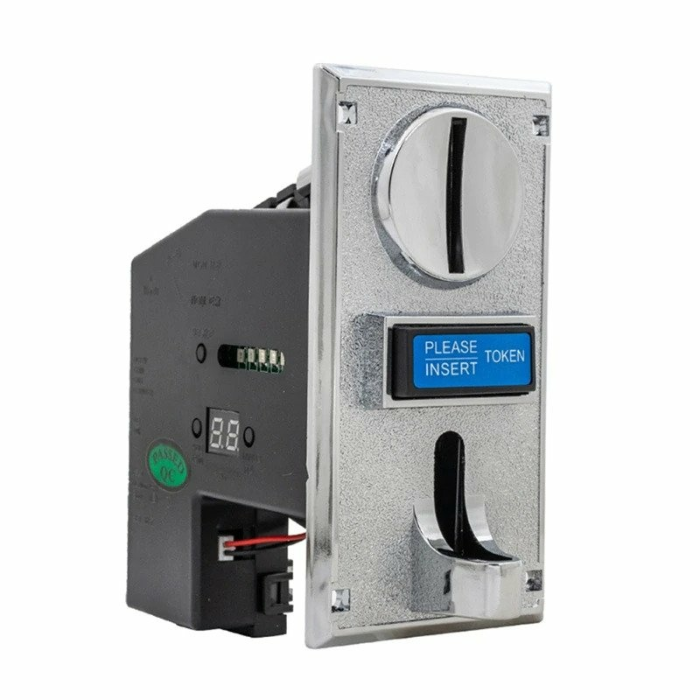
The phrase "coin acceptor" refers to a mechanism that assesses the legality of coins or tokens inserted into pachinko slot machines.
2. How do coin sensors work?
In order to convert mechanical vibrations caused by coin collisions or hits with metal parts into electric vibrations, sensor means are supplied. Additionally, there are means for cleaning the square wave produced by the comparator and triggering the power switch.
3. How do you make a coin acceptor?
A small aperture on a parking metre, arcade game machine, vending machine, etc. to accept the coin used to run the device.
4. How does a multi coin acceptor work in vending machines?
A multi coin acceptor works by analyzing the physical characteristics of inserted coins such as diameter, thickness, weight, and material composition. The internal sensors compare these values with pre-programmed settings and then send a pulse signal to the vending machine controller when a valid coin is detected. This helps vending machines accurately identify and process different coin denominations automatically.
5. How many types of coins can a programmable coin acceptor detect?
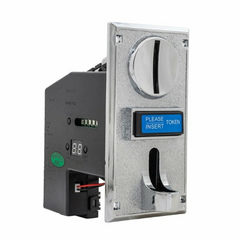
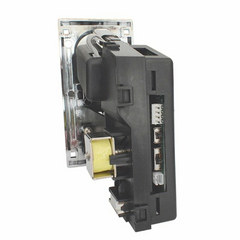
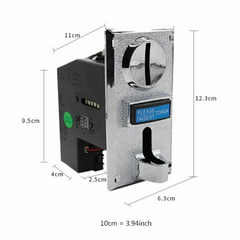
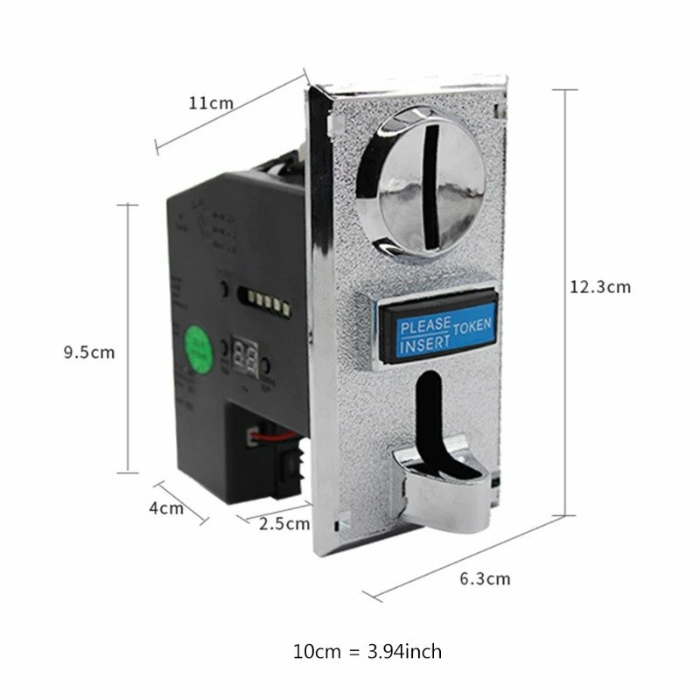
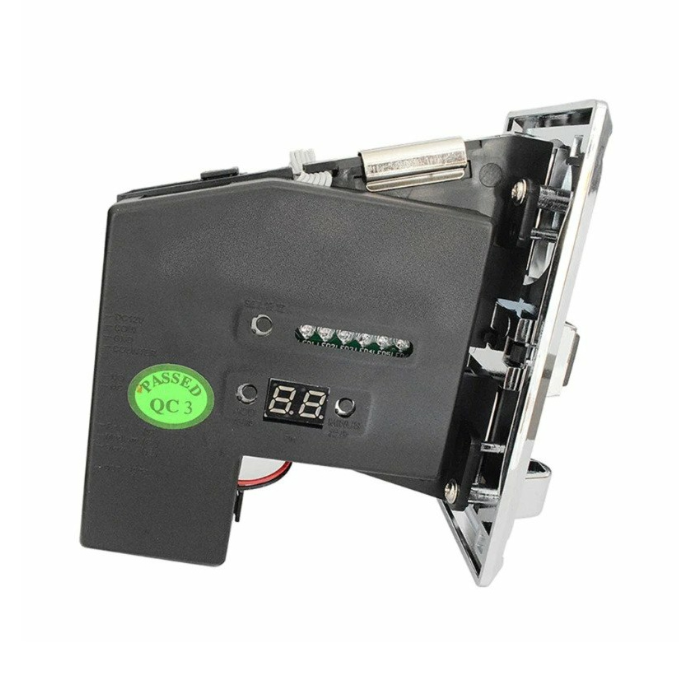
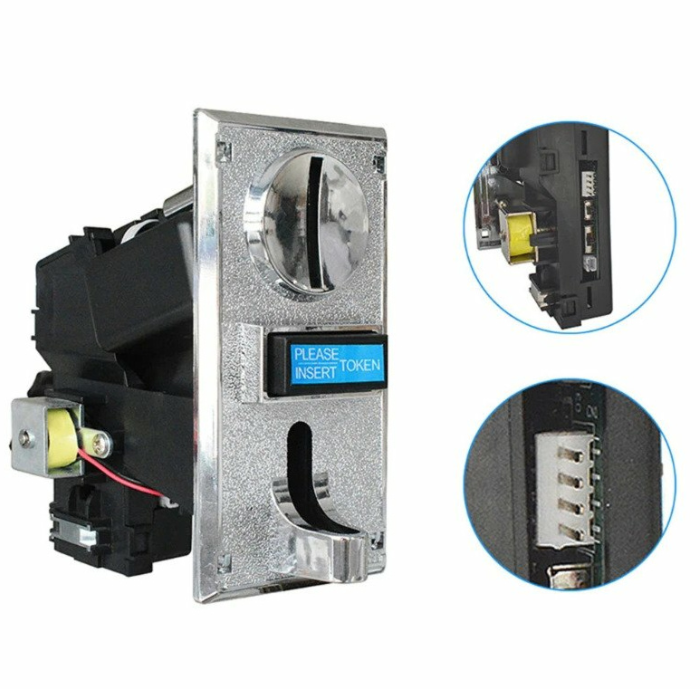
This programmable coin acceptor can detect and accept up to 6 different types of coins or tokens. It supports various worldwide currencies and can be configured according to the required coin specifications, making it suitable for vending machines, arcade systems, parking machines, and automated payment projects.
6. Can a multi coin acceptor be used with Arduino or microcontrollers?
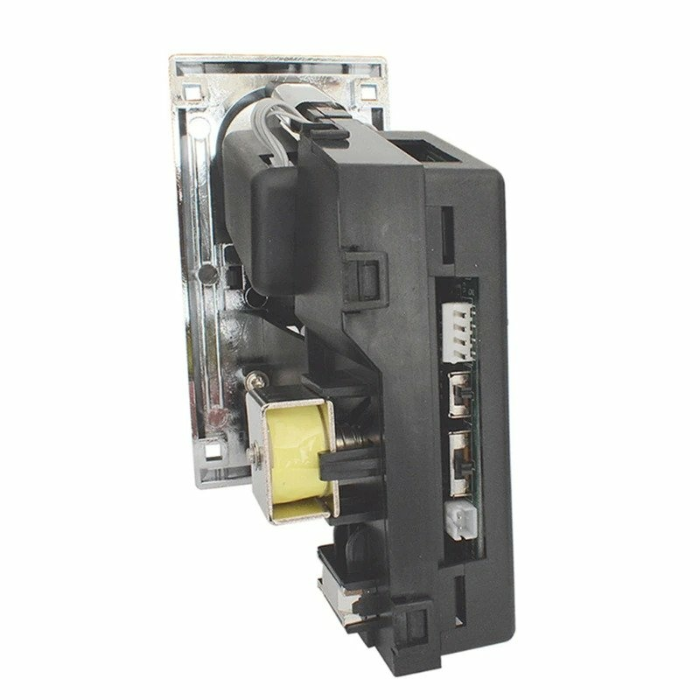
Yes, the multi coin acceptor can be easily interfaced with Arduino boards and other microcontrollers. It provides digital pulse outputs that can be read by Arduino, Raspberry Pi, ESP32, and similar development boards. This makes it a great choice for DIY automation systems, smart kiosks, and coin-operated electronics projects.
7. Does the coin acceptor reject fake or invalid coins?
Yes, the coin acceptor is designed to reject fake, damaged, or invalid coins. Its intelligent CPU-controlled detection system checks multiple parameters including coin size, thickness, and metal composition to ensure only valid coins are accepted. This improves reliability and reduces false coin acceptance.
8. How do you program a coin acceptor for different coin values?
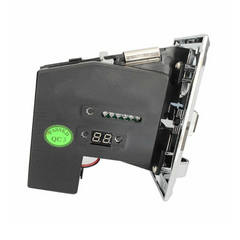
Programming a coin acceptor typically involves entering setup mode and inserting sample coins for each denomination you want to register. The device stores the characteristics of each coin type and assigns pulse values accordingly. Once configured, the coin acceptor can recognize different coin values and send the corresponding output signals to the connected controller or vending system.









 Chat
Chat


