1. How do I make a male jumper wire into a female?
To create a female end from a male jumper wire, you can attach a female connector to the male pin. This allows easy connection to sensors, modules, or a breadboard.
2. How can I convert male to female jumper wires?
Converting a male wire to female is simple: just add a female socket at the end of a male pin. This creates a versatile wire for connecting components on a breadboard or directly to modules.
3. How do I identify male and female jumper wires?
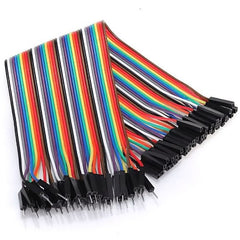
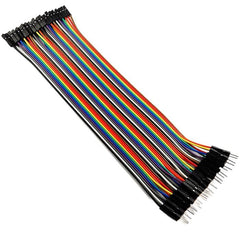
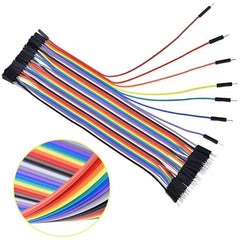
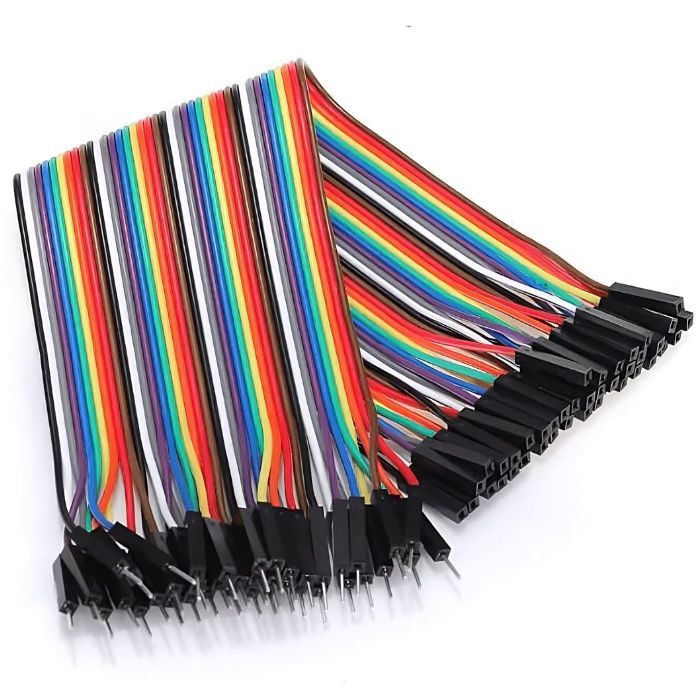
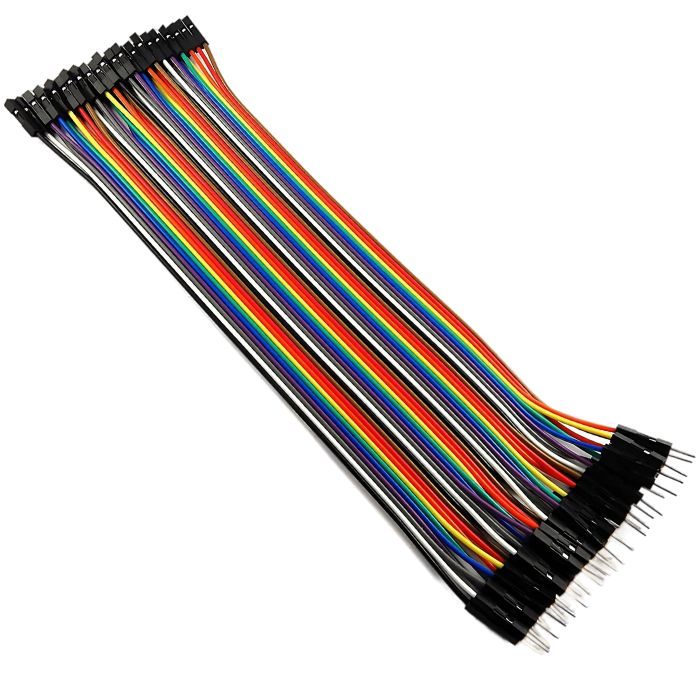
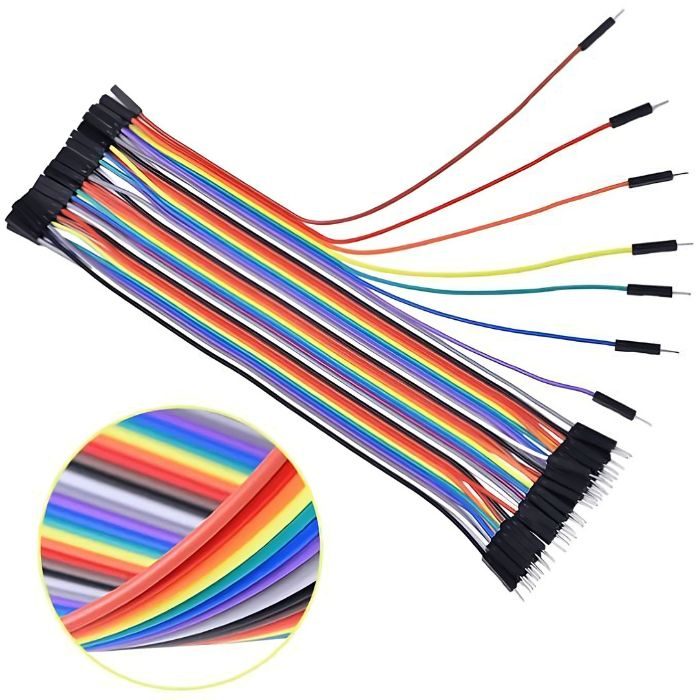
Male and female jumper wires are easy to distinguish: male wires have pins, while female wires have sockets. This helps you select the right wire for your Arduino or PCB projects.
4. How can I check if my jumper wires work with Arduino?
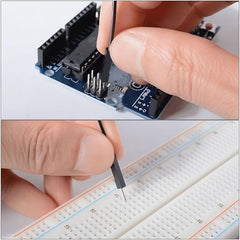
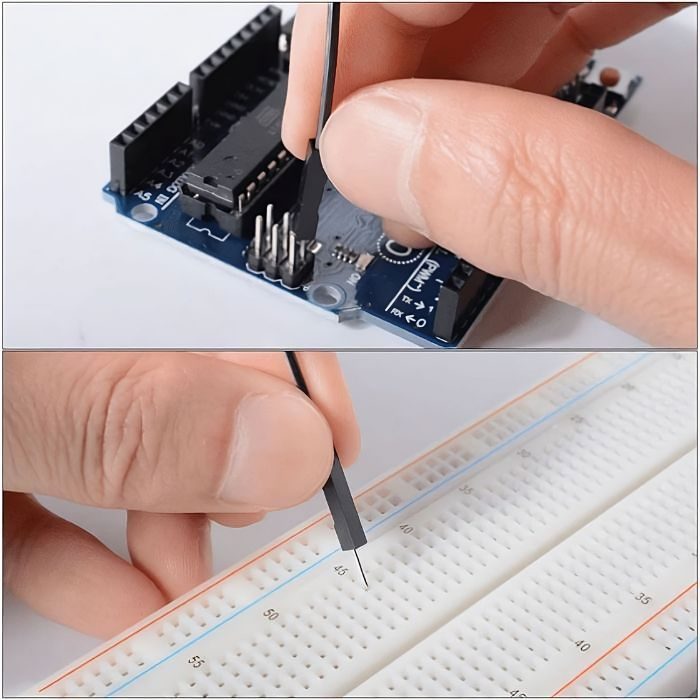
Test your jumper wires by connecting them between Arduino pins and a breadboard circuit. Using an LED or multimeter, you can verify that the connection is complete.
5. How do I make custom breadboard jumper wires?
You can make your own jumper wires by cutting wire to length and attaching the appropriate male or female connectors. Using male to female wires can help connect different modules without soldering.
6. How do I choose the right jumper wires for a PCB?
When working with a PCB, choose wires that fit your pins and sockets. Male to female jumper wires are ideal for connecting components from the board to a breadboard or other modules.






 Chat
Chat


