



 Chat


I am highly impressed with the service. The support team resolved my print issue swiftly, and the delivery was both fast and securely packaged. The final print is of outstanding, A1 quality.
FlySky FS-CT6B 6ch 2.4GHz Transmitter & FS-R6B Receiver


Robocraze BEST PRICE GUARANTEED
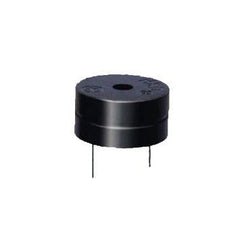
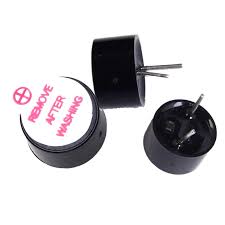
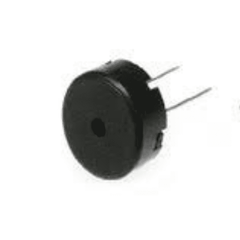
3.3V Small Active Piezo Buzzer
Let us know!
We'll try to match the price for you
For Best Price Contact on WhatsApp for bulk discounts!
Or Fill the Form Below

Couldn't load pickup availability


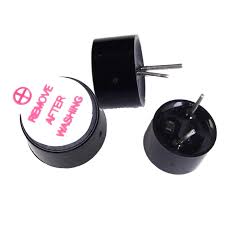
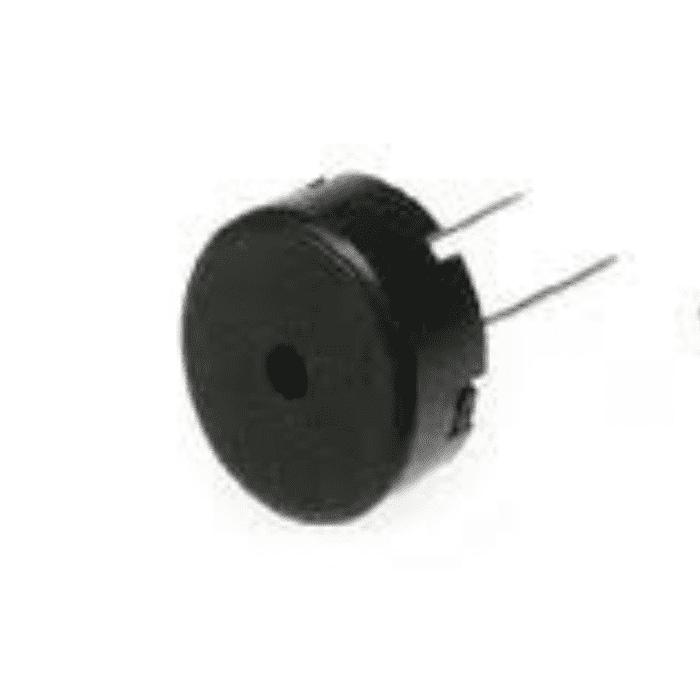
This is a 3.3V buzzer - a piezoelectric audio signalling device. It can be easily used with 9v Battery or any other Microcontroller. The items Listed here are for Hobby Electronics /DIY activities. The product is really good quality at all working and of high stability. The shell is of great strength and can protect the internal structure well.
read our blog explaining How to use a Buzzer with Arduino, which provides a comprehensive guide on incorporating a buzzer into Arduino projects. It covers the basics of what a buzzer is, and how it works with Arduino.
| Rated Voltage | 5VDC |
| Operating Voltage | 3.3 Volt DC |
| Max. Rated Current | 40mA |
| Coil Resistance(DC) | 45±5? |
| Resonant Frequency | 2400Hz |
The primary function of the 3.3V Small Buzzer is to produce sound, typically a continuous beep or tone, when a voltage is applied. It is used in various applications to provide audible alerts.
The buzzer comes with leads that can be connected to a power source and a control circuit. You can connect the positive lead to the positive terminal of a 3.3V power supply and the negative lead to the ground. It can also be controlled using a microcontroller or a switch.
The sound output level of the 3.3V Small Buzzer is typically around 85dB to 90dB, which is loud enough for most applications like alarms and timers.
Yes, the 3.3V Small Buzzer is ideal for battery-powered projects as it operates at 3.3V DC, making it compatible with standard 9V batteries.
Common applications include:Alarms: Providing audible alerts in alarm systems.Timers: Used in kitchen timers and other timing devices.Toys: Producing sounds in electronic toys.DIY Projects: Creating custom sound effects in various electronic projects. Common applications include: Alarms: Providing audible alerts in alarm systems.Timers: Used in kitchen timers and other timing devices.Toys: Producing sounds in electronic toys.DIY Projects: Creating custom sound effects in various electronic projects.
Works fine!
Working fine. Useful for small projects. Various frequency tone can also be played using this buzzer.
3.3V Small Piezo Buzzer
Overall a positive experience with this purchase. The product quality, delivery and customer service all exceeded my expectations.
Offers great value for money with reliable performance and quality. I highly recommend it for hobbyists and engineers alike.
Thanks for subscribing!
This email has been registered!
| Product | SKU | Description | Collection | Availability | Product Type | Other Details |
|---|
It is Amazing and great item in this price
Veri usefull and cheap price from other shopping site, I use this module many project. Thank you robocraze
I am highly impressed with the service. The support team resolved my print issue swiftly, and the delivery was both fast and securely packaged. The final print is of outstanding, A1 quality.
Good
it works👍
I am highly impressed with the service. The support team resolved my print issue swiftly, and the delivery was both fast and securely packaged. The final print is of outstanding, A1 quality.
FlySky FS-CT6B 6ch 2.4GHz Transmitter & FS-R6B Receiver